The landscape of the Renal Access Kitmarket in China is really changing quite a bit lately. As more folks need reliable solutions for renal access, companies are having to adapt pretty quickly. Dr. Susan Zhao, a well-known nephrology expert, keeps stressing how crucial it is to have dependable products — she says, "Getting the right Renal Access Kit can really make a big difference in how well patients do."
That said, there are still some challenges when it comes to making sure these kits meet CE certification standards. Many suppliers struggle with quality control and navigating the complicated regulatory landscape. Even with more players entering the field, not every company can confidently guarantee the standards needed for successful certification. That’s why industry leaders are reevaluating their processes to really boost the reliability and effectiveness of their products.
Talking about how accessible Renal Access Kits are in China, it’s definitely a conversation that’s gaining traction. With authorities paying closer attention to medical products, everyone involved needs to be more mindful of their practices. Transparency in the supply chain isn’t just a buzzword anymore — it’s a necessity. As this sector continues to grow, keeping a sharp focus on quality and compliance is more important than ever. In the end, the future of renal access solutions depends heavily on these factors.”

CE Certification in Medical Devices: Importance and Overview
CE certification plays a crucial role in the medical device industry. It ensures that products meet safety and performance standards within the European Economic Area. Without CE certification, devices cannot be marketed in this region. This certification process fosters trust among healthcare providers and patients alike.
For suppliers of renal access kits, CE certification is essential. It provides assurance that the Renal Access Sheath and other components are safe and effective. Suppliers must invest time and resources to meet certification criteria. This process can be daunting, often leaving room for reflection on areas of improvement. Many companies struggle with compliance, which can delay their entry into the market.
Achieving CE certification involves thorough documentation and audits. Suppliers should constantly evaluate their processes to ensure compliance. However, medical technology advances rapidly, presenting further challenges. Adapting to new regulations and standards is crucial. Continuous education and awareness are fundamental for maintaining certification. The journey is complex, but the benefits of CE marking are significant.
Understanding the Renal Access Kit Market Landscape in China
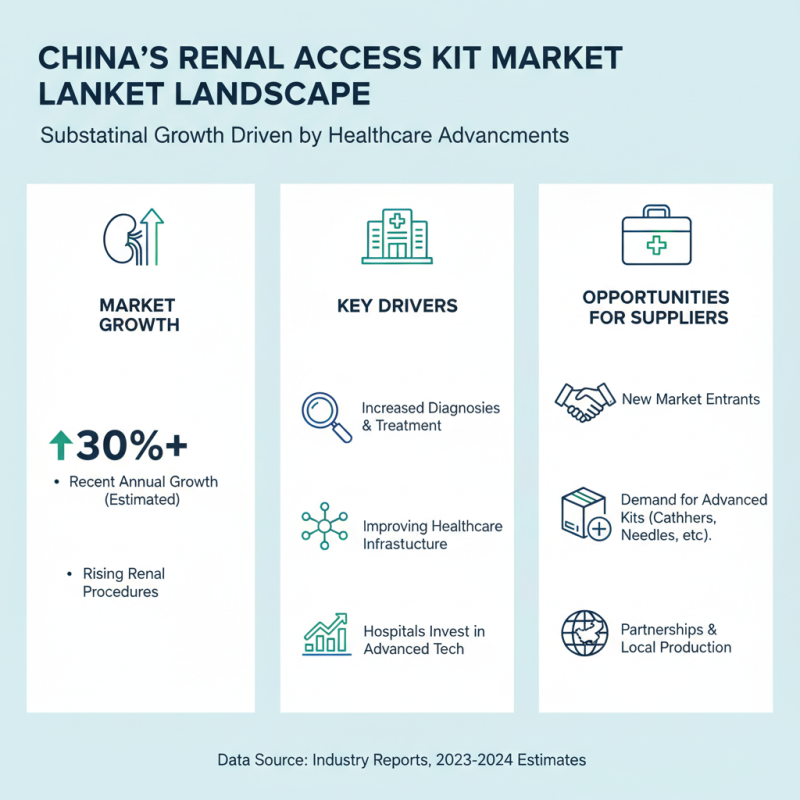
In recent years, the renal access kit market in China has shown substantial growth. This increase is driven by a rising number of renal procedures. As the healthcare infrastructure improves, hospitals are investing in advanced technologies. This opens up opportunities for suppliers in the renal access kit sector.
**Tip:** Focus on regulatory standards when sourcing products. Compliance with CE certification is vital. It ensures safety and quality, which hospitals prioritize.
Understanding the market landscape requires insights into regional demands. Urban areas often see higher usage of these kits compared to rural regions. Moreover, pricing strategies must align with local economic conditions. Suppliers need to be flexible and responsive to changes.
**Tip:** Regularly conduct market research to stay updated with trends. Knowledge of competitors' movements can help in strategic planning.
Despite the growth, challenges persist. Many suppliers struggle with quality control. It's essential to establish robust supply chains. This will help maintain consistency and reliability in product offerings. Understanding customer needs enhances supplier-client relationships.
Key Suppliers of Renal Access Kits in the Chinese Market
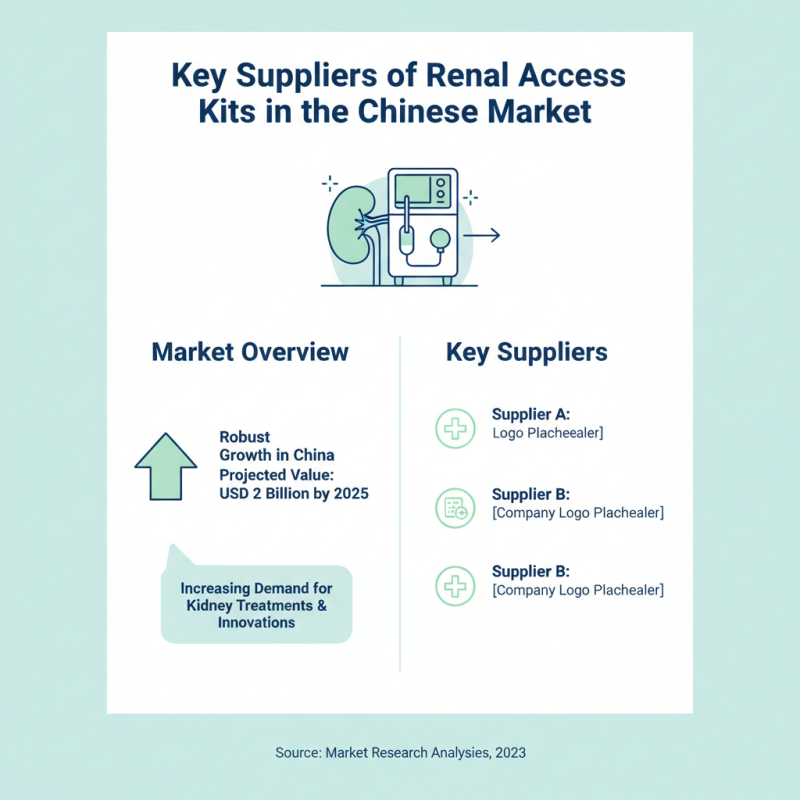
In the evolving landscape of renal access kits in China, several key suppliers stand out. The Chinese renal access market has shown robust growth, with a projected value reaching approximately USD 2 billion by 2025, as per market research analyses. This growth signals the increasing demand for kidney-related treatments and innovations.
Among industry players, the focus is not only on product quality but also on compliance with CE certification standards. Suppliers that prioritize regulatory adherence often gain the trust of healthcare providers. The right suppliers ensure that their products meet rigorous safety and efficacy standards. This focus affects patient outcomes positively, yet not all suppliers maintain these high standards.
**Tip:** When selecting a renal access kit supplier, evaluate their compliance with CE certification. This can be a clear indicator of product reliability.
In recent years, the challenge of maintaining supply chain efficiency has emerged. Fluctuations in raw material costs impact the pricing and availability of renal access kits. As a result, healthcare facilities must be strategic when sourcing these critical products. Investing in partnerships with reliable suppliers can mitigate risks and enhance supply chain resilience.
**Tip:** Regularly assess your supplier's performance and market trends to ensure you are making informed purchasing decisions.
Regulatory Requirements for CE Certification in China
Achieving CE certification in China for medical devices, particularly the Renal Access Kit, entails navigating complex regulatory frameworks. The Chinese National Medical Products Administration (NMPA) oversees this certification process. A dedicated focus on quality control and compliance with stringent safety standards is essential. In recent years, the demand for Percutaneous Renal Access procedures has surged, leading suppliers to prioritize regulatory readiness.
The need for thorough documentation cannot be overstated. Companies must provide evidence of clinical efficacy and safety. The European Union's Medical Device Regulation (MDR) serves as a key reference point. Compliance with the MDR not only boosts marketability but enhances trust. Industry reports indicate that around 75% of medical device failures are linked to inadequate regulatory compliance. Suppliers must approach CE certification with diligence and a clear understanding of these guidelines.
Market analysis suggests a projected growth of 10% annually in the renal access sector. However, challenges remain. Inadequate knowledge about the certification process can hinder market entry for potential suppliers. Continuous education and expertise development are critical. The evolving landscape demands that manufacturers pay close attention to updates in both regulatory requirements and technological advancements.
Market Trends Impacting Renal Access Kit Suppliers in China
The renal access kit market in China has shown remarkable growth over the past few years. According to a recent market report, the value of this sector is projected to reach approximately $500 million by 2025. This significant increase reflects the rising demand for renal access procedures due to the growing prevalence of kidney diseases. The aging population and lifestyle changes are key contributors to this trend. Suppliers and healthcare providers must stay informed about these market dynamics to remain competitive.
One emerging aspect is the focus on innovative products, such as the Renal Guiding Catheter. Providers are increasingly investing in advanced technologies to improve patient outcomes. However, the split between traditional products and new innovations poses a challenge. Many suppliers still rely on established designs, which may not meet modern patients' needs. Such reliance can hinder growth in a rapidly evolving market.
Compliance with stringent CE certification standards is also crucial for suppliers. Failure to adhere to these regulations can result in delayed product launches. Despite the hurdles, suppliers who focus on quality and innovation are more likely to succeed. Understanding market trends helps them navigate complexities and meet the needs of healthcare professionals effectively.
Consumer Demands and Preferences in Renal Access Devices
The demand for renal access devices, particularly Renal Angiography Catheters, is on the rise. According to a recent market analysis, the global renal access device market is projected to witness a growth rate of approximately 8.5% from 2021 to 2028. This increase reflects growing healthcare needs and a surge in renal disease cases. Consumers show a preference for devices that offer both efficiency and reliability.
Healthcare providers emphasize safety and ease of use in devices. Patients prefer options that minimize discomfort during procedures. For instance, the demand for products featuring improved usability and minimal invasiveness has grown significantly. Data from industry surveys highlight that 70% of patients prioritize comfort when selecting a renal access device. This trend indicates a shift toward patient-centered care, suggesting manufacturers need to adapt their offerings based on consumer feedback.
Tips: Always consider the design features of renal access devices. Evaluate how these features impact patient experience. Engaging with healthcare providers can reveal insights into which attributes drive positive outcomes. Additionally, manufacturers should regularly solicit feedback from users to refine their products. Understanding consumer preferences is essential for remaining competitive in this evolving market.
Future Outlook: Innovations and Challenges for Suppliers in China
The landscape of renal access kit suppliers in China is evolving rapidly. Innovations in materials and technology are emerging. Suppliers are adopting new manufacturing techniques to enhance quality and efficiency. These advancements offer the chance to improve patient outcomes significantly. However, the integration of these innovations poses challenges for many. Suppliers must invest heavily in research and development. This shift often requires resources that some smaller suppliers may lack.
Market demand is another critical factor. While the need for renal access kits is growing, suppliers face obstacles. Regulatory requirements are stringent and can vary. Adapting to these regulations is crucial yet complicated. Some suppliers may struggle to keep up with changing standards. Additionally, competition in the market is fierce. New entrants are continuously emerging, each one promising cutting-edge solutions. This could lead to saturation in certain segments.
Collaboration with healthcare professionals is essential for suppliers. Their insights can guide product development and improve usability. Engaging with end-users helps identify gaps and areas for improvement. Suppliers must be open to feedback and willing to adapt. The future of renal access kits is bright but fraught with challenges. Suppliers need to be agile and responsive to navigate this dynamic landscape successfully.
Comprehensive Guide to Ureteral Access Sheath: Enhancing Urological Procedures and Patient Outcomes
Ureteral Access Sheaths are pivotal in modern urological practices, significantly enhancing procedural efficacy and patient outcomes. These innovative devices serve as hollow, flexible conduits that facilitate the smooth insertion of ureteroscopes and other instruments into the ureters and kidneys. With their design prioritizing stability, ureteral access sheaths minimize the risk of ureteral trauma, a common concern during minimally invasive surgical procedures. According to a recent industry report, the use of ureteral access sheaths has been associated with a 30% reduction in procedure time and a notable decrease in complications, showcasing their critical role in endourology.
The importance of ureteral access sheaths extends beyond efficiency; they play a vital role in enhancing patient safety. During procedures such as stone removal and tumor biopsy, these devices prevent potential damage to the urinary tract, which can lead to longer recovery times and increased patient discomfort. Data from the Urological Association indicates that using ureteral access sheaths has led to improved outcomes, with many urologists reporting higher success rates in treatment and lower hospital readmission rates. As urologists continue to embrace technological advancements, ureteral access sheaths remain an essential component in striving for excellence in patient care and procedural efficiency.
FAQS
: The market is expected to reach approximately USD 2 billion.
Compliance with CE standards signals product reliability and safety to healthcare providers.
Rising costs can impact pricing and availability, challenging supply chain efficiency.
They should invest in partnerships with reliable suppliers to enhance resilience.
Around 70% of patients prioritize comfort and minimal discomfort during procedures.
They should regularly gather user feedback to refine their products and meet consumer needs.
Safety and ease of use are critical considerations for healthcare providers.
There is a growing demand for products that emphasize improved usability and less invasiveness.
Design features significantly impact patient experience and overall satisfaction with the devices.
Regularly assess their compliance and performance to maintain high quality and safety standards.
Conclusion
The article provides a comprehensive overview of the CE certification process for medical devices, specifically focusing on Renal Access Kits in China. It highlights the significance of CE certification in ensuring product safety and compliance with European standards, which is crucial for suppliers aiming to operate in global markets. The discussion delves into the market landscape for Renal Access Kits in China, identifying key suppliers and the regulatory requirements they must meet for CE certification.
Additionally, the article explores current market trends affecting suppliers, including evolving consumer demands and preferences for renal access devices. It also addresses the future outlook for these suppliers, considering potential innovations and challenges they may face in an increasingly competitive environment. Overall, it underscores the importance of adapting to market needs while maintaining regulatory compliance to thrive in the Renal Access Kit sector in China.