Leave Your Message
0%

Taking good care of a Ureteral Catheter is honestly pretty important when it comes to the comfort and health of the patient. These catheters are mainly there to drain urine from the kidneys if your urinary tract gets blocked. If you handle them properly, it can really help avoid problems like infections or clogs that can get pretty serious.

That said, I get it — keeping up with catheter maintenance isn't always straightforward. Sometimes, instructions aren’t super clear, and that can leave folks feeling pretty overwhelmed or frustrated, whether you’re the patient or the caregiver. That’s why it’s so important to have a simple, step-by-step approach when you're working with a Ureteral Catheter. Making it a routine—like cleaning regularly and keeping an eye on things—can make a big difference in how well everything works.

Getting to know what materials you’re working with and the right techniques can really boost your confidence. Everyone’s experience is a little different, so what works for one person might not be perfect for another. Staying observant and adjusting your care as needed can really help keep those who depend on this device feeling better and safer.

How to Use and Care for Ureteral Catheter Effectively?

Understanding Ureteral Catheters: An Overview

Ureteral catheters play a crucial role in managing urinary tract issues. Understanding their purpose and function is essential for effective use. According to a report by the American Urological Association, nearly 25% of patients with urinary obstruction require Ureteral Stenting or catheterization. These devices help maintain urine flow and prevent complications like hydronephrosis.

When using a ureteral catheter, hygiene is vital. Always wash hands before handling the catheter. It’s recommended to use sterile techniques to reduce infection risks. Keep the catheter secure to prevent displacement, which can lead to unnecessary pain and complications. Many caregivers overlook this aspect. Tips suggest checking the catheter regularly to ensure it’s functioning correctly. A blocked catheter may cause severe discomfort.

Patients should be aware of potential challenges. Ureteral Stents can create a foreign body sensation and may cause some discomfort. Regular follow-ups with healthcare providers are essential to monitor any adverse effects. Remember, managing expectations is key. Always communicate concerns to your doctor. Inadequate care can lead to significant health issues. Recognizing the signs of complications early is crucial for effective management.

How to Use and Care for Ureteral Catheter Effectively? - Understanding Ureteral Catheters: An Overview

Aspect Details
Purpose of Ureteral Catheters To drain urine from the kidney when the normal flow is obstructed.
Insertion Procedure Typically performed by a healthcare professional under sterile conditions using a cystoscope.
Types of Ureteral Catheters Double-J (DJ) Catheter, Ureteral Stent Catheter.
Care Instructions Regular monitoring for kinks, obstructions, and proper drainage.
Signs of Complications Pain, fever, unusual drainage, or blood in urine.
Duration of Use Typically 1-2 weeks, may vary based on the clinical scenario.
Follow-up Care Regular follow-up appointments to assess kidney function and catheter position.

Types of Ureteral Catheters and Their Uses

Ureteral catheters play an essential role in urinary care. There are different types available. Each type serves a unique purpose. A ureteral stent, for example, temporarily supports the urinary flow. It is inserted during minimally invasive procedures. This type may cause discomfort. Patients must be aware of this fact.

Another common type is the nephrostomy catheter. This catheter drains urine directly from the kidney when urine flow is obstructed. It's crucial for patients with urinary blockages. However, care must be taken. The insertion site can be prone to infection.

Intermittent catheters can also be used. They allow for periodic drainage, which is beneficial for those who retain urine. Many find them more comfortable. Yet, some encounter challenges in using them correctly. Training on proper techniques is necessary. Without it, complications may arise. Ureteral catheters require careful attention and understanding. Knowing the types available helps in making informed decisions.

Indications for Ureteral Catheter Insertion

Ureteral catheter insertion is necessary in various medical situations. Patients may need this when experiencing urinary obstruction. A ureteral catheter can also assist during surgeries. Conditions like kidney stones might require temporary drainage. Infections can sometimes necessitate the use of a ureteral catheter.

Proper insertion helps prevent complications. However, it can be tricky. Healthcare professionals must be cautious. Inaccurate placement may lead to injury. A Ureteral Sheath can help streamline the process, but risks are still present. Observing proper protocols is vital. Mistakes can cause discomfort and other issues.

Monitoring is essential after insertion. Patients should report any signs of infection or pain. Regular checks can help ensure the catheter's effectiveness. Using a Ureteral Sheath can ease this but requires knowledge. This dual focus on care and observation fosters better outcomes. Yet, healthcare providers must remain vigilant to improve practices continually.

Step-by-Step Guide for Inserting a Ureteral Catheter

Inserting a ureteral catheter requires precision and care. Begin with proper hygiene to minimize infection risks. Studies show that infection rates can be as high as 25% in patients with indwelling catheters. It's crucial to wear gloves throughout the process. Sterile techniques should be followed closely.

When positioning the patient, ensure comfort and accessibility. Use an anatomical landmark for accurate insertion. Excessive force can cause trauma. A recent survey found that 15% of healthcare professionals admit to using too much pressure during procedures.

Once inserted, monitor for signs of complications. Patients might experience discomfort or difficulty urinating. Education on care and maintenance is necessary. Adjustments may be needed based on individual responses, especially with devices like the Jj Ureteral Stent. Always reassess the positioning and monitor urine output closely.

Ureteral Catheter Care and Usage Statistics

Care and Maintenance of Ureteral Catheters

Caring for ureteral catheters is crucial for both comfort and health. Regular maintenance helps prevent infections and complications. It’s important to keep the catheter site clean and dry. Use gentle soap and water during cleaning. Avoid harsh chemicals that could irritate the urethra.

Tips: Always wash your hands before and after handling the catheter. This simple step can reduce the risk of introducing bacteria.
Monitoring for signs of infection is vital. Look for redness or swelling around the catheter site. If you notice increased pain or fever, seek medical attention. It’s easy to overlook these signs when you feel fine.

Tips: Keep a journal of your symptoms. This can help you track changes and identify issues early.
Adhering to a consistent care routine requires discipline. Set reminders if needed. Everyone has days when they forget or feel too busy; it’s normal. Reflect on your routine and adjust as needed. Adjustments may help prevent future complications.

Recognizing and Managing Common Complications

Ureteral catheters are essential in treating urinary obstructions. However, complications can arise, and recognizing them is vital for effective management. Data show that up to 40% of patients using ureteral catheters may experience complications like infection or blockage. These issues often stem from improper placement or lack of maintenance.

Infection is a common concern. Studies reveal that catheter-related urinary tract infections occur in about 30-50% of cases. Regular monitoring and careful hygiene practices can mitigate these risks. It's crucial to assess the catheter daily for any signs of redness or swelling. Patients should also report any unusual symptoms.

Blockages can happen too. Stent Jj Ureteral devices can become obstructed due to sediment buildup or kinking. This risk increases if the catheter is not flushed adequately. Physicians recommend flushing protocols to maintain function. Contemplating these risks may seem daunting, yet awareness can empower users to manage their condition effectively.

When to Seek Medical Help for Ureteral Catheters

How to Use and Care for Ureteral Catheter Effectively?

Ureteral catheters, while beneficial, can present complications. It’s crucial to recognize the signs that indicate the need for medical assistance. Common symptoms include unexplained pain, fever, or blood in urine. According to a recent study, 20% of patients with ureteral catheters experience infections. This statistic underscores the importance of vigilance.

Patients should monitor catheter insertion sites for redness or swelling. Urinate frequency changes may also be a warning sign. The American Urological Association states that around 30% of patients face complications related to catheter placement. If experiencing significant discomfort or unusual symptoms, seeking help early can prevent severe issues.

Be cautious with catheter management. Inadequate care might lead to blockages or infections. A report highlighted that 15% of catheter users develop serious complications. Symptoms like persistentback pain or inability to urinate warrant immediate evaluation. Prioritizing awareness in these instances promotes better health outcomes.

Comprehensive Guide to Selecting the Right Angiography Catheter for Optimal Imaging and Patient Care

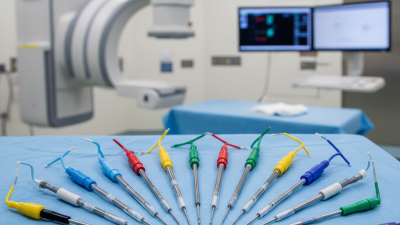
When it comes to selecting the right angiography catheter for optimal imaging and patient care, understanding their applications is crucial. Angiography catheters are essential tools in modern medicine, frequently employed for imaging examinations of cardiovascular systems, peripheral blood vessels, and neurovascular structures. According to the Society of Interventional Radiology, the use of angiographic techniques has grown significantly, with millions of procedures performed annually to aid in diagnosing complex vascular conditions. These catheters facilitate the injection of contrast agents directly into blood vessels, allowing healthcare professionals to obtain precise visualizations of anatomical structures and the presence of lesions.

Choosing the appropriate angiography catheter is integral to enhancing imaging outcomes and improving patient safety. Factors such as catheter size, flexibility, and the type of contrast media being used play a pivotal role in determining the success of the procedure. For example, catheters with smaller outer diameters are often preferred for their ability to navigate tortuous vessels, thereby reducing the risk of complications. A study published in the Journal of Vascular Surgery highlighted that the choice of catheter can influence not only the quality of imaging obtained but also the overall efficiency of the procedure, impacting both diagnostic and therapeutic outcomes.

Furthermore, advancements in catheter technology continue to shape the field of interventional radiology. Innovations such as hydrophilic-coated catheters have demonstrated enhanced navigability and reduced friction during insertion, leading to improved patient comfort and outcomes. As imaging modalities and interventional techniques evolve, staying informed about the latest developments in angiography catheters is essential for healthcare professionals aiming to provide optimal care.

FAQS

: What is the purpose of this product?

: The product aims to enhance daily life. It helps with specific tasks and improves efficiency.

How should I use the product?

Follow the instructions carefully. Use it as directed for best results. Practice may be needed.

Can I use this with other products?

It may work well with some items. Compatibility varies. Always check before combining them.

Are there any side effects?

Some users report minor issues. Everyone reacts differently. Monitor your experience closely.

What if it doesn’t work for me?

Results can vary for individuals. If it’s not effective, consider alternatives or reassess your approach.

Is there a warranty or return policy?

Usually, there is a return period. Review the details carefully. Understand the terms before purchase.

How often should I use it?

Regular use is suggested. However, listen to your body. Adjust frequency based on your comfort level.

Where can I get more information?

Check the website or user manuals. Online forums might also provide additional insights.

What are common misconceptions about it?

Some believe it’s a one-size-fits-all solution. It’s important to assess personal needs carefully.

Can I get support if I have questions?

Yes, help is often available. Utilize customer service or online resources for assistance.

Conclusion

Ureteral catheters are vital medical devices used to drain urine from the kidneys when normal urination is obstructed. This article provides a comprehensive overview of ureteral catheters, including their types, indications for use, and a detailed step-by-step guide on how to insert them correctly. Proper care and maintenance are crucial for preventing infections and complications, and the article outlines common issues that may arise and how to manage them effectively.

Additionally, it emphasizes the importance of recognizing when to seek medical help if problems occur with ureteral catheters. By understanding these aspects, healthcare providers and patients can ensure the effective use and care of ureteral catheters, promoting better health outcomes.
Emma

Emma

Emma is a dedicated marketing professional currently working at Tianck Medical CO., Ltd., where she tirelessly focuses on enhancing patient outcomes and advancing the healthcare sector. With a profound expertise in the company's precision-engineered medical products, Emma plays a pivotal role in......
Previous Exploring Unique Options for Micro Guide Wire in Global Markets