Peritoneal dialysis is pretty much a lifesaver for folks with kidney failure. A key part of all this is the Peritoneal Dialysis Catheter. Think of it as the bridge that connects the inside of your belly to the dialysis fluid. If you're going through this, understanding what it does is kinda important.
Basically, the catheter is designed to safely pump fluid in and out. Putting it in isn’t exactly a walk in the park—it needs some skill and know-how to make sure everything goes smoothly and no complications pop up. Getting it in right and taking good care of it is super important if you want your dialysis to work well.
Honestly, lots of patients worry at first, especially about discomfort. And yeah, it can be a bit uncomfortable initially. But honestly? Most folks say they seem to get used to it faster than they expected.
That said, it’s not all smooth sailing. There are definitely some challenges, like keeping an eye out for infections. It’s also a good idea to keep in close touch with your healthcare team. Chatting with them can help ease worries and make sure everything’s working as it should. Knowing what to expect and staying informed really can make a big difference and turn this whole experience into something more manageable.
What is a Peritoneal Dialysis Catheter?
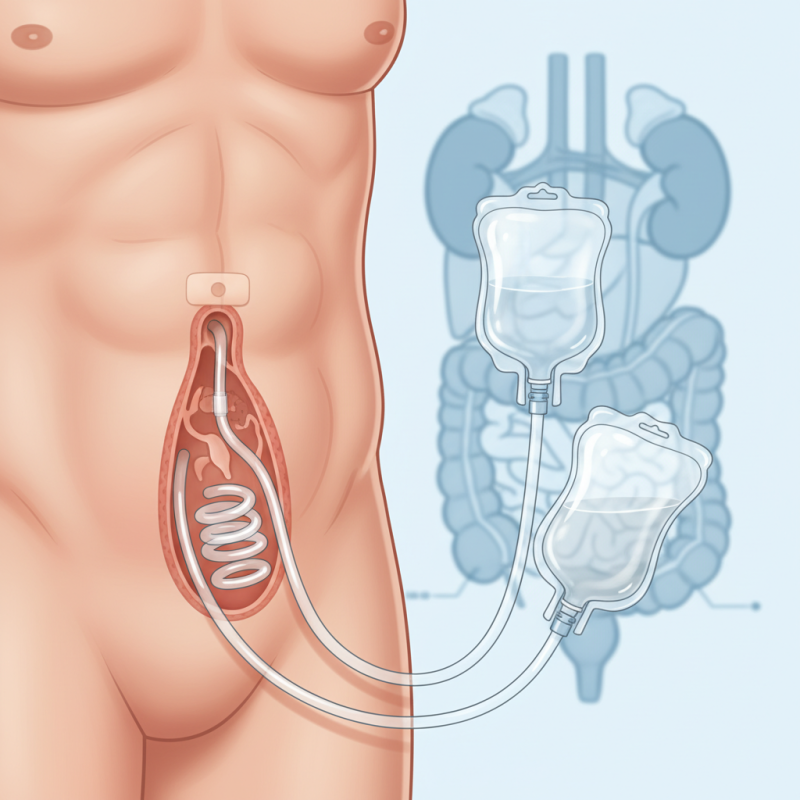
A peritoneal Dialysis Catheter is a crucial device for patients with kidney failure. It allows for dialysis directly in the abdominal cavity. This method utilizes the peritoneum, the lining of the abdomen, as a natural filter. By inserting the catheter, a sterile dialysis solution flows into the abdomen. It remains there for several hours before being drained, carrying waste and extra fluid with it.
Tips: Ensure proper hygiene while handling the catheter. Clean the insertion site daily to prevent infections. Always follow the healthcare provider's instructions.
The catheter is typically made from biocompatible materials. It comes in various sizes to suit different patient needs. Placement is usually done in a minor surgical procedure. While it is effective, complications can occur. These include infection or catheter blockage.
Tips: Monitor the site for any signs of redness or swelling. Report any unusual symptoms to your doctor promptly. Be aware that not every patient will handle the procedure well. Adjustments may be needed to improve comfort and efficacy.
Monthly Patient Satisfaction Ratings of Peritoneal Dialysis Catheters
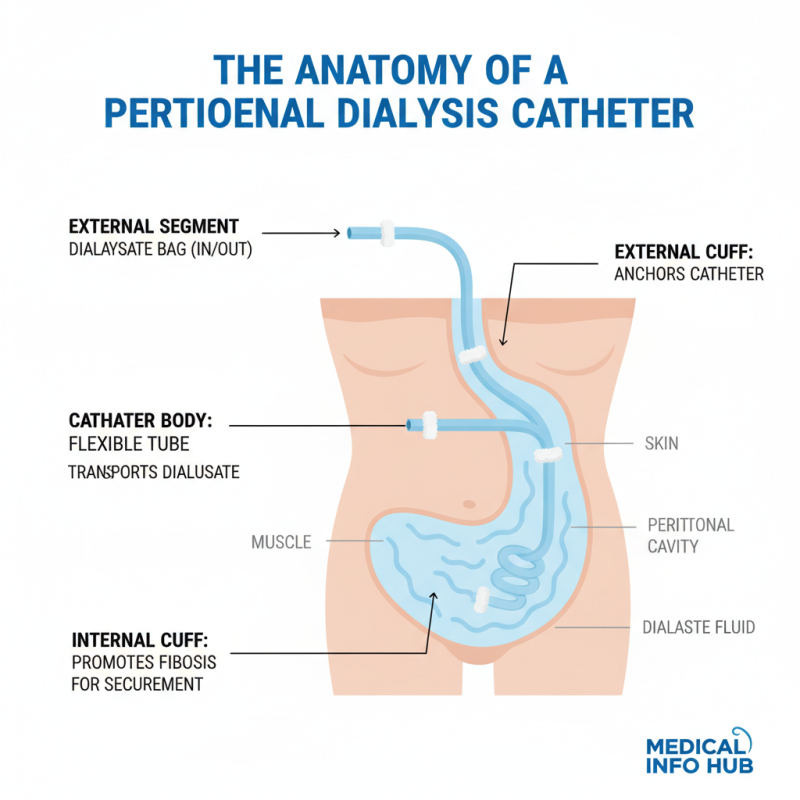
The Anatomy of a Peritoneal Dialysis Catheter
A peritoneal dialysis catheter is crucial for patients with kidney failure. Understanding its anatomy helps in comprehending how it works. This catheter typically consists of a flexible tube, known as the catheter body, and a cuff that secures it in place within the abdominal wall. The cuff promotes fibrosis around the catheter, ensuring it stays anchored.
Part of the catheter's structure includes a inlet and outlet. The inlet allows dialysis fluid to enter the peritoneal cavity, while the outlet is used for draining the fluid. This design enables efficient exchange of wastes and extra fluids with the blood. The catheter's tip is designed to minimize the risk of infection.
Even with proper design, complications can arise. Catheter blockage can occur, disrupting treatment. Infection, or peritonitis, remains a major concern. Regular monitoring and proper care are essential. Patients must be educated on signs of complications and when to seek help.
How Peritoneal Dialysis Works: A Step-by-Step Process
Peritoneal dialysis is a process that helps patients with kidney failure. It requires a specialized device known as a peritoneal dialysis catheter. This catheter allows for the exchange of waste and excess fluid in the body. The catheter is usually placed into the abdominal cavity, creating a pathway for the dialysis solution.
During the procedure, a sterile dialysis solution is infused into the abdomen through the catheter. The solution sits for a period, allowing it to absorb waste products and excess electrolytes. Afterward, the solution is drained out, taking the waste with it. This cycle is often repeated multiple times a day. Using a Peritoneal Dialysis Catheter 16f ensures optimal flow and efficiency, which is crucial for effective treatment.
While many patients find peritoneal dialysis manageable, certain challenges can arise. Some may experience discomfort or infection at the catheter site. Understanding proper care techniques is essential for minimizing risks. This method requires consistency and discipline, which can be difficult for some. Patients must adapt their lifestyles to accommodate this ongoing treatment. It is an ongoing learning process, highlighting the need for support and education in the journey of kidney management.
Indications for Using a Peritoneal Dialysis Catheter
A Peritoneal Dialysis Catheter is essential for patients with kidney failure. This catheter allows dialysis to occur within the abdomen. By using the body’s peritoneal membrane, toxins and excess fluid are effectively removed. Many patients prefer this method over hemodialysis, as it can be done at home and provides more flexibility in daily routines.
Indications for using a Peritoneal Dialysis Catheter include chronic kidney disease and end-stage renal disease. Patients who are not suitable for kidney transplants often rely on this method. Additionally, those who have had difficulty with hemodialysis may benefit from using this catheter. However, the insertion process carries risks. These can range from infection at the catheter site to potential complications within the abdominal cavity. It's crucial for patients to have thorough discussions with healthcare providers.
Life with a Peritoneal Dialysis Catheter Set requires adjustments and commitment. Patients must learn how to care for the catheter properly. Mistakes or negligence can lead to serious health issues. Fine-tuning the dialysis process may take some time. Education and continuous support are vital for maintaining optimal health while using this type of dialysis.
Insertion Techniques for Peritoneal Dialysis Catheters
Peritoneal dialysis (PD) catheters are crucial for patients undergoing this treatment. Proper insertion techniques are essential for minimizing complications. The most common method involves a surgical procedure to place the catheter into the abdominal cavity. This procedure can be performed laparoscopically or through an open technique, both allowing for different access points.
Laparoscopic insertion is preferred due to its minimally invasive nature, resulting in shorter recovery times. A recent study indicated that laparoscopic technique reduces exit-site infections by 50% compared to open methods. Despite these benefits, challenges may arise. Inexperienced practitioners may encounter difficulties in catheter placement. Knowledge of anatomy is critical, as incorrect positioning can lead to serious complications, including catheter failure.
Tips: Always ensure the surgical team is well-trained. Regular training updates can improve insertion techniques. Maintain a sterile environment to reduce infection risks. Post-insertion care also plays a vital role. Patients should be instructed on how to inspect the catheter site regularly. If any signs of infection appear, seek medical help immediately. This proactive approach can significantly enhance the overall success of peritoneal dialysis. Regular follow-ups can also identify issues early, allowing for timely interventions.
Potential Complications and Risks Associated
Peritoneal dialysis (PD) catheters are critical for patients with renal failure, offering an alternative to traditional hemodialysis. However, they carry potential complications and risks that must be addressed. According to the American Journal of Kidney Diseases, infection rates for Pd Catheters range from10% to 20%, with peritonitis as a major concern. This acute infection of the peritoneal cavity can lead to serious health consequences if not managed promptly.
Patients managing PD at home must be aware of the risk of catheter malfunction, which can occur in 30% of cases. Catheter blockage may lead to inadequate dialysis and fluid overload. Proper training on the use of a Peritoneal Dialysis Catheter Kit is essential to minimize such risks. Some patients may experience discomfort or altered body image due to the catheter, impacting their quality of life. This psychological aspect is often overlooked but is just as important to address.
It is crucial for healthcare providers to monitor patients closely. Regular assessments can help detect complications early. Education on hygiene practices is vital to reduce infection rates. Understanding these risks can empower patients to take proactive steps in their treatment, ensuring a better overall outcome.
Care and Maintenance of Peritoneal Dialysis Catheters
Caring for a peritoneal dialysis catheter is essential for the patient’s health. This type of catheter helps filter waste from the blood when the kidneys cannot function properly. Regular care can prevent infections and complications associated with peritoneal dialysis.
Daily hygiene is a critical aspect of catheter maintenance. Patients should wash their hands thoroughly before handling the catheter. Cleaning the exit site with soap and water is essential. Use a sterile dressing to protect the area. Regular inspections of the site can identify any signs of infection, such as redness or swelling. If the exit site looks unusual, contacting a healthcare professional is vital.
Patients must also monitor the function of the peritoneal dialysis catheter. Blockages or leaks can occur. If fluid does not drain properly, it may indicate a need for intervention. Keeping a log of dialysis sessions can provide valuable information for caregivers. Understanding how the catheter should function helps patients communicate effectively with healthcare providers.
Reflecting on care practices can lead to improvements in managing the catheter and overall health.
Engaging actively in this process is key to preventing acute complications.
Exploring the Benefits and Applications of Peripherally Inserted Central Catheters in Modern Medical Practice
Peripherally Inserted Central Catheters (PICC) have emerged as invaluable tools in modern medical practice, offering a range of benefits for both patients and healthcare providers. The procedure involves inserting a thin, flexible tube into a peripheral vein, often in the arm, and advancing it until the catheter tip resides in a Central Vein near the heart, such as the superior vena cava. This design allows for efficient access to the central venous system, making it ideal for administering medications, fluids, blood draws, and nutritional support over extended periods.
One of the primary advantages of PICCs is their versatility in managing complex medical conditions. For patients requiring long-term intravenous therapy, such as chemotherapy or total parenteral nutrition, a PICC offers a less invasive alternative to traditional central lines. The reduced risk of infection and the ease of insertion contribute to the overall safety and comfort of the patient. Furthermore, PICCs can be inserted at the bedside, minimizing the need for surgical intervention, which streamlines the treatment process in emergency and outpatient settings.
In addition to their clinical benefits, PICCs also enhance patient quality of life by enabling mobility and reducing the frequency of needle sticks. This is particularly beneficial for pediatric and geriatric populations, who may experience anxiety or trauma from repeated venous access attempts. As healthcare continues to evolve, the role of PICCs in providing reliable, long-term venous access is likely to expand, solidifying their position as a staple in patient-centered care.
FAQS
: It's a treatment for kidney failure using a catheter to remove waste and excess fluid from the body.
A sterile solution is infused into the abdomen, absorbs waste, and is then drained out.
Discomfort or infection at the catheter site can occur; proper care is crucial to minimize risks.
Proper techniques help avoid complications and reduce infection rates, especially with laparoscopic methods.
Adapting lifestyles and maintaining consistency in the treatment routine is essential for effective management.
Any signs of infection at the catheter site should prompt immediate medical consultation.
Regular training for the surgical team and a sterile environment are vital for minimizing risks.
The dialysis process is typically repeated multiple times throughout the day.
Regular follow-ups help identify any issues early on, allowing for timely interventions.
Patients may struggle with consistency and adapting to ongoing treatment requirements.
Conclusion
A peritoneal dialysis catheter is a specialized medical device used to facilitate peritoneal dialysis, a treatment for patients with kidney failure. This catheter is strategically placed in the abdominal cavity, allowing for the introduction and removal of dialysis fluid. The process begins with the catheter being inserted through the abdominal wall, connecting to the peritoneal cavity where the exchange of waste and fluids takes place. Indications for its use include chronic kidney disease and suitability for patients who may not tolerate hemodialysis.
Proper insertion techniques are crucial to minimize complications, which can include infection or catheter malfunction. Once in place, the peritoneal dialysis catheter requires diligent care and maintenance to ensure its longevity and effectiveness. Understanding the anatomy and function of this catheter is essential for both patients and healthcare providers to navigate the complexities of peritoneal dialysis successfully.